
Introduction
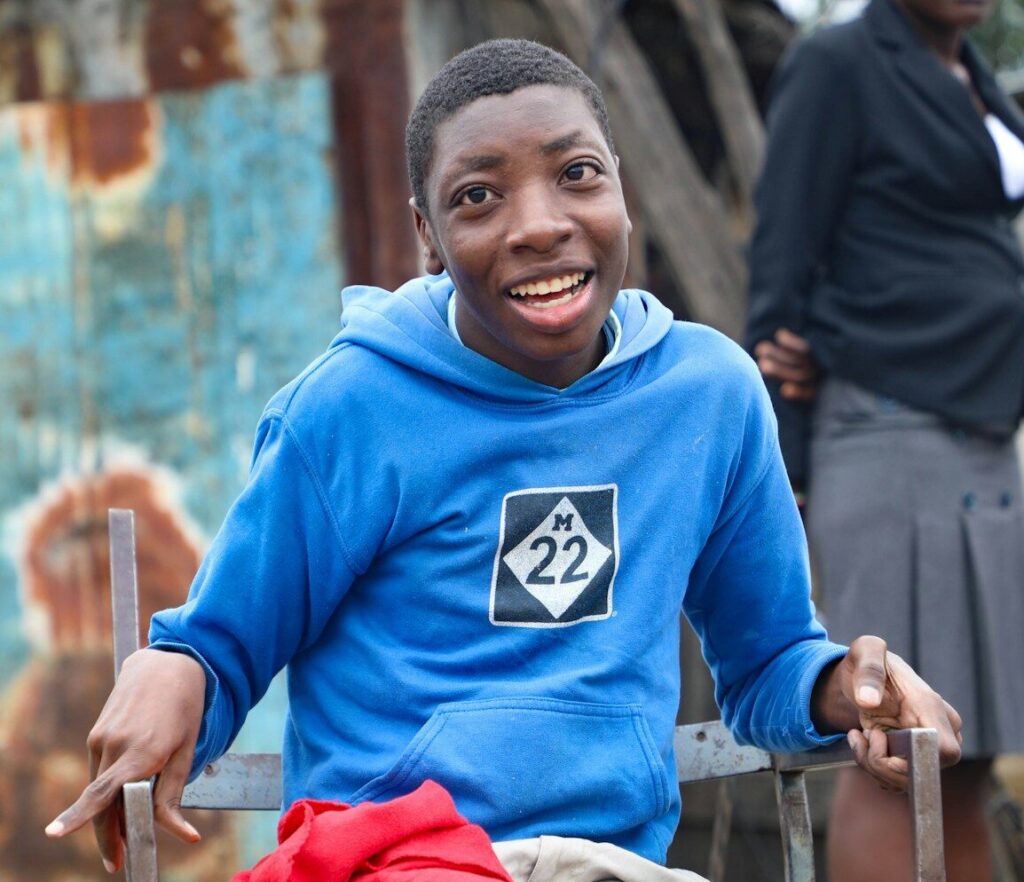
Education is a basic right for every child, regardless of their abilities or challenges. Special Needs Education (SNE) ensures that learners with disabilities or learning difficulties receive equal opportunities in school. In modern education systems, inclusivity is not optional; it is essential.
Understanding Special Needs Education
Special Needs Education focuses on supporting learners who require additional assistance. These include learners with:
- Hearing impairments
- Visual impairments
- Learning difficulties
- Physical disabilities
- Developmental challenges
The goal is to ensure that every learner can participate fully in education.
Promotes Inclusive Education
Inclusive education means that all learners study together in the same environment. Teachers trained in SNE learn how to:
- Adapt teaching methods
- Modify learning materials
- Use assistive technologies
- Support individual learning needs
This ensures no learner is left behind.
Builds Skilled and Compassionate Teachers
Special Needs Education trains teachers to be patient, understanding, and flexible. They learn how to:
- Identify learning challenges early
- Provide personalised support
- Work closely with parents and specialists
These skills improve classroom effectiveness for all learners.
Improves Learning Outcomes
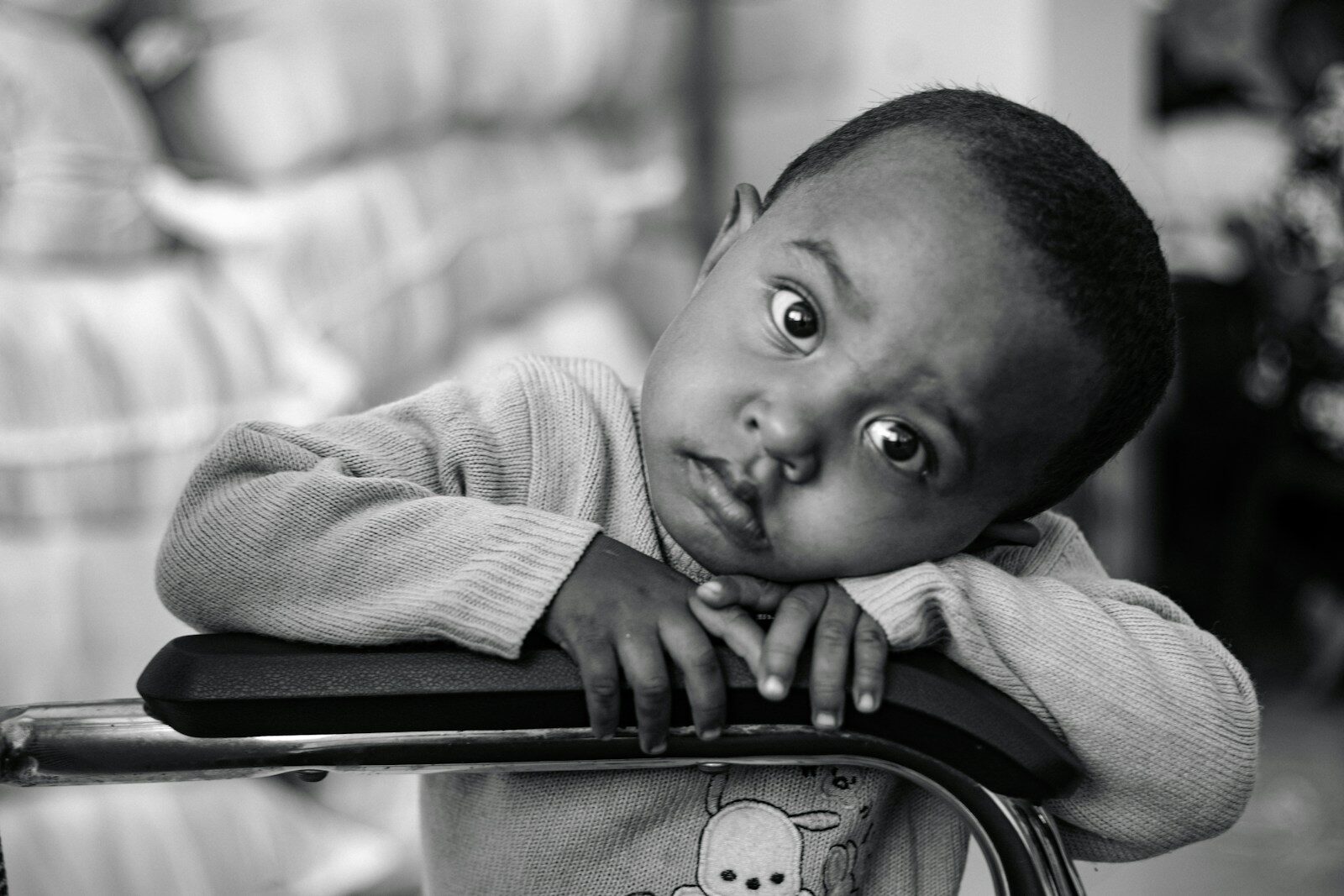
When learners receive the right support, they perform better academically and socially. Inclusive classrooms encourage:
- Confidence building
- Participation in class activities
- Improved communication skills
- Better academic performance
Expands Career Opportunities
Graduates in Special Needs Education can work in:
- Inclusive primary and secondary schools
- Special schools
- Rehabilitation centres
- NGOs and child welfare organisations
Demand for trained SNE teachers continues to grow in Kenya.
Conclusion
Special Needs Education is essential for building an inclusive and fair education system. It ensures that every child, regardless of ability, has the chance to learn, grow, and succeed.